


A conversation between the demon Deadbolt and Mr. Driftgate regarding the code words “Chameleon, Creepy Wally, and the Eddie.” A nudge is all Deadbolt needs. Just a hardly noticeable, teeny inch off course. Then another. Until Mr. Driftgate finds himself carried down the River of Shame, swept along without concern for how he ended up there in the first place. How did he get there? Listen as Mr. Driftgate catches himself in the trap. And then effectively blocks Deadbolt’s tiny nudges as he wades out of that dirty river and into a cleaner one called the River of Grace. This conversation is AI-generated using code words and action steps listed in this blog post. It’s a demonstration of a person using the code words to analyze and solve a problem. Your careful discernment applies here too.
Discernment skills for a Demon Spotter
Demon Spotting is a game about falling into traps. Specifically, the ones we fall into again and again. Discernment and pattern recognition are key skills for getting good at this game. Not just for your day-to-day life. But also for staying alert to the spiritual warfare happening around you.
Exercising discernment begins even as you’re reading about how (or whether) to play this game called Demon Spotting.
Discernment is a skill requiring constant improvement. Judging and assessing are valuable components of decision-making.
Because when you’ve trusted the wrong person, you work very hard to make sure that situation never happens again.
Trusting someone too quickly cuts deeply when you realize you were fooled by a wolf in sheep’s clothing.
In the game of Demon Spotting, that tricky manipulative behavior is called Chameleon Position.
If someone comes on strong when you first meet them, stands too close, makes assumptive assertions, looks around all-smiles, making sure you know that they are “already approved of”, clock that behavior.
Because if YOU don’t know them, then THEY ARE NOT already approved of.
You’ve seen this type of person in action before.
They blend in with the scenery. They’re watching, detecting, learning how to approach different people. Often, it’s just a way of sorting out how to enter a group successfully.
But sometimes, it’s predatory. And that’s when good discernment skills kick in.

Discernment: There are always clues.
All humans, young and old, need to understand — and learn to be very good at — discernment. It’s not just a one-or two-question check.
- Evaluate your comfort level.
- Notice someone giving you a warning look.
- Listen to any alarm bells going off.
- Who or what does this person remind you of?
- What happens when you try to exit the conversation?
- Are you free to walk away?
- Or does he reach out to grab your arm to keep you from leaving?
There are so many clues… for those who are paying attention.
Discernment is using your natural ability to distinguish between two choices and to judge whether something (or someone) is:
- right or wrong
- safe or scary
- smart or dumb
- true or false
Assumptive Assertions: Presumptuous. Coming in hot. Acting like we’re already friends. Guess what? We’re not. Because I do not know you.
Discernment: The balance between considered doubt and being gullible is the game within the Demon Spotting game. The code words give you the opportunity to test what you see with an open mind.
Assumptive assertions work by skipping the “earned trust” step. They’re acting as if approval, closeness, or agreement already exists, and you just met them.
Hold your horses, buddy!
That disrespectful, intrusive behavior puts you on the back foot, to use a combat sports analogy.
And yes, this type of behavior is an attack. In Demon Spotting, it’s called Creepy Wally.
Back up, Creepy Wally! Gimme some space!
Suddenly, you’re negotiating from inside a weird and uncomfortable relationship.
What relationship? When (and how) did we get here?
With these creepy examples, you won’t need discernment, just pattern recognition.
Here are some classic Creepy Wally examples of things people say that you may already have heard from people:
- “You’re going to love working with me.”
States a future feeling as already decided, no room for you to have your own reaction. - “I already know we’re going to get along.”
Presumes rapport that hasn’t happened yet. - “Everyone knows me as the good guy.”
Borrows unnamed, unverifiable third-party approval to skip vetting. - “You and I are the same kind of person.”
Claims identity-level alignment on no evidence. - “I already talked to [someone] about this, so we’re set.”
Asserts a done deal. No one cares what you think. - “I can tell you’re going to be one of my favorites.”
Flatters you while presuming a future ranking or relationship. - “You don’t need to worry about me. I’m one of the good ones.”
Pre-answers a concern you haven’t raised, which often means it’s the exact concern you should raise. - “We’re basically already friends.”
Collapses a first meeting into an established bond.
News Flash: This is a trap! The other person has already taken over and decided for you. Ugh!

Demon Spotting is a game, on purpose.
I made Demon Spotting a game to help make it easier (for me) to handle difficult (dangerous, weird, sticky) situations.
Especially the ones where people try to trap me, disrespect me, or dishonor me.
And because I wanted to remember that people are sometimes clumsy in their attempts to connect. They can be forgiven for getting it wrong.
When people get it wrong on purpose, I can still forgive them. However, it’s still important to me to get to the bottom of how I fell into a particular trap with them.
It’s my responsibility to practice discernment and make adjustments as soon as I notice that something is off.
The burden falls on me to take steps to protect myself (and the others in my care) from falling into the same trap in the future.
10 steps to work your way out of a sticky discernment situation like a skillful Demon Spotter
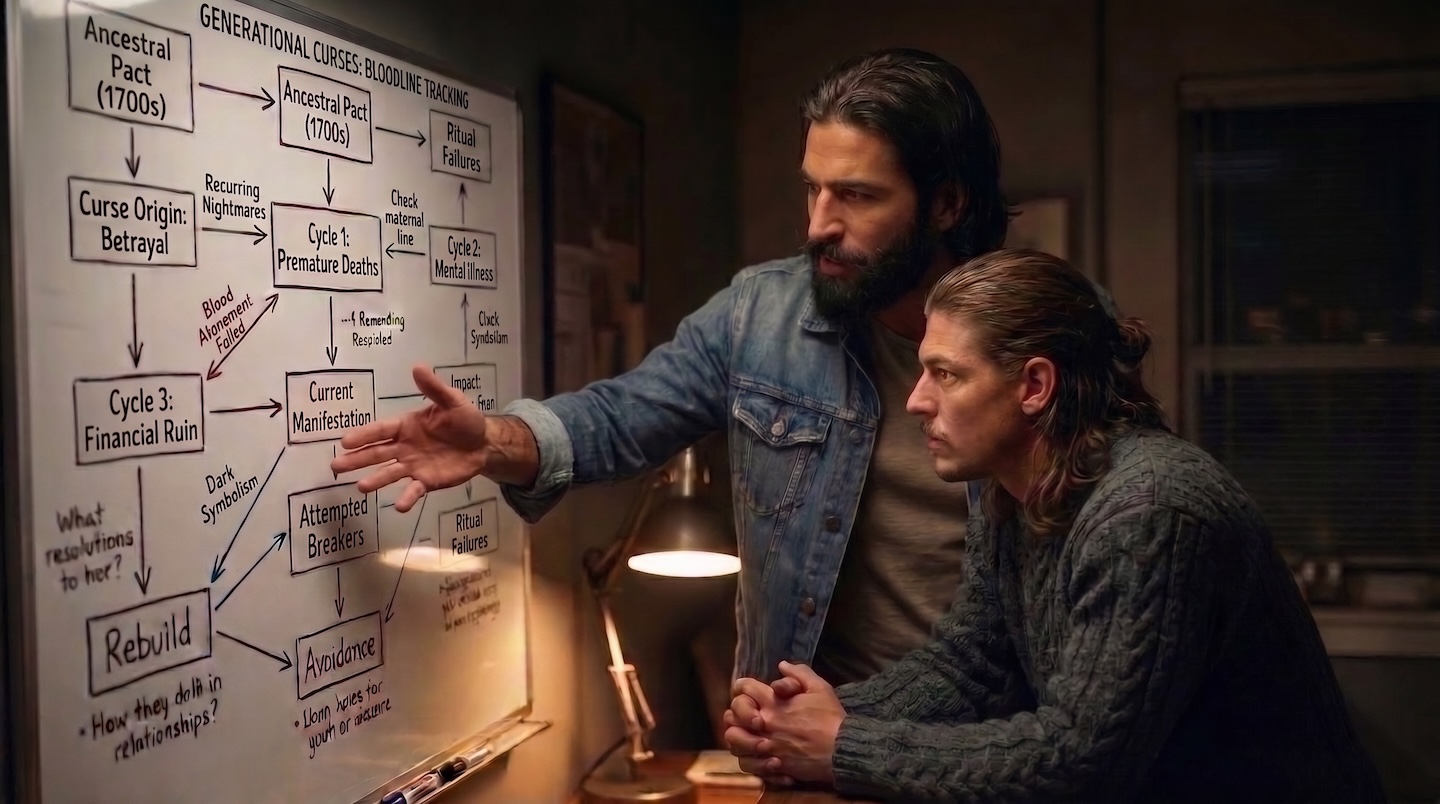
Having said that, here are 10 steps to take to work yourself out of sticky traps:
- Find a quiet place with a notepad and a pen and make notes about what actually happened and how you feel about the person and the situation.
- Separate fact from fiction. Be careful of making connections because you are reminded of something or someone from the past.
- Apply the code words to look for the pattern of behavior. This helps a lot. For instance, in a Creepy Wally case, you want to be very careful about being alone with this person. Things can escalate quickly. Make sure help is available when you need it.
- Don’t make any assumptions or plans based on a single moment… unless that particular moment was alarming.
- Keep your mind open. Were they having a bad day?
- Be clear in your response. Maintain formal distance, for example.
- Allow the person to adjust their behavior based on your response.
- Always sound the alarm if your requests for appropriate boundary-setting are not honored.
- Recognize the level of danger: There’s a wide range between feeling mildly discomforted vs cringing in terror.
- Take action! Don’t wait until you are well and truly caught in the trap.
Pride and not accepting help when you need it.
Don’t do this work alone. Get the right team on your side.
To get good at discernment and the game of Demon Spotting, you need to find neutral space to do your code word analysis. You need some quiet time to sit with an open mind and consider the facts of the situation.
The best antidote to a Creepy Wally attack is use the Eddie Attack to your advantage. That means get someone on your side to help you fight back by putting distance between you, or by questioning the person, “Who do you know that we know? Because we’ve never heard of you, friend.”
You don’t have to be mean. But you do have to be assertive.
Relationships are hard work. Measure your progress by keeping track of how your discernment and pattern recognition skills improve.
You can do this.
You are the only one who knows whether you’re winning this game or not.
Each one teach one. People around you will notice and change their behavior too.
And that’s a win for everyone.
This is a white belt level DramaGuru Academy lesson. For more vocabulary definitions, visit this page.
Cheryl Gwyneth Ragsdale is the creator of Demon Spotting™ and founder of DramaGuru Academy. She is a former tarot card reader. She is also a Blue Belt 3-stripes in Brazilian jiu-jitsu plus a student of MMA, self-awareness training and theology. Demon Spotting is designed to help people discern whose voice they are following. When you follow God’s voice, you can forgive and be forgiven.
© 2014-2026 DramaGuru Revelation – Cheryl Gwyneth Ragsdale · All Rights Reserved

The game I call Demon Spotting developed over time as I worked through emotional entanglements and confusing break-ups. My misery became code words. Code words became mat drills. Mat drills became winning combinations. And my confusion lifted. Consider this your invitation to play. Clarity is freedom.